






PADI Search and Recovery requirements
To start the PADI Search and Recovery course, please make sure you meet the following:

Our approach
Search and recovery diving feels like an underwater mission, but it only works well when the diver stays calm, organized and in control. The fun part is finding and lifting the object. The serious part is planning the search properly, controlling buoyancy and avoiding messy or unsafe recovery attempts.
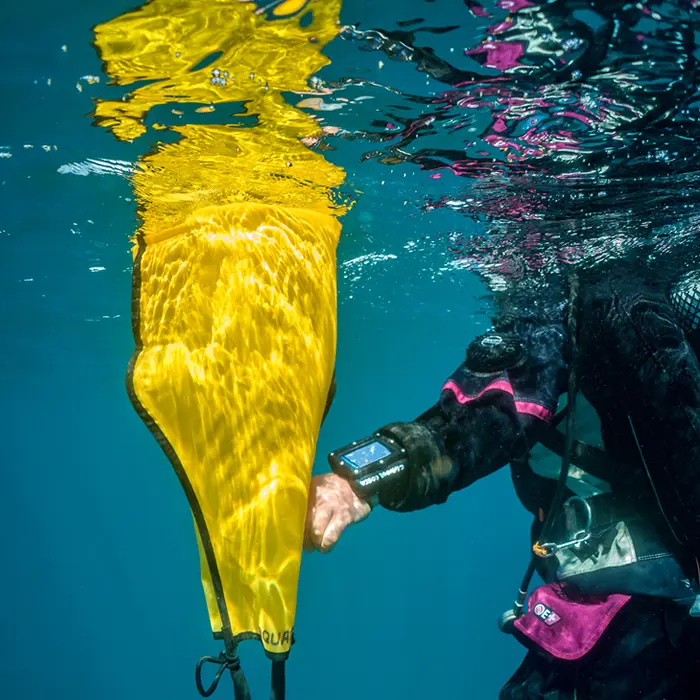
At Aquarius, we teach this course with real-world experience behind it. Our team has years of recovery experience in poor visibility and challenging conditions, including operations between 6 and 30 meters and the use of large-capacity lift bags outside normal recreational-course situations.
That experience does not mean we turn the course into commercial salvage training. It means we teach the PADI specialty with a stronger practical eye: what can be done safely, what needs planning and where the limits are.
For extra safety background, DAN explains why lift-bag use requires solid buoyancy control, awareness of gas expansion and careful control during the lift.



FAQ’s PADI Search and Recovery
Course program
eLearning
Study search patterns, marking methods, knots and lift-bag safety.
Day 1:
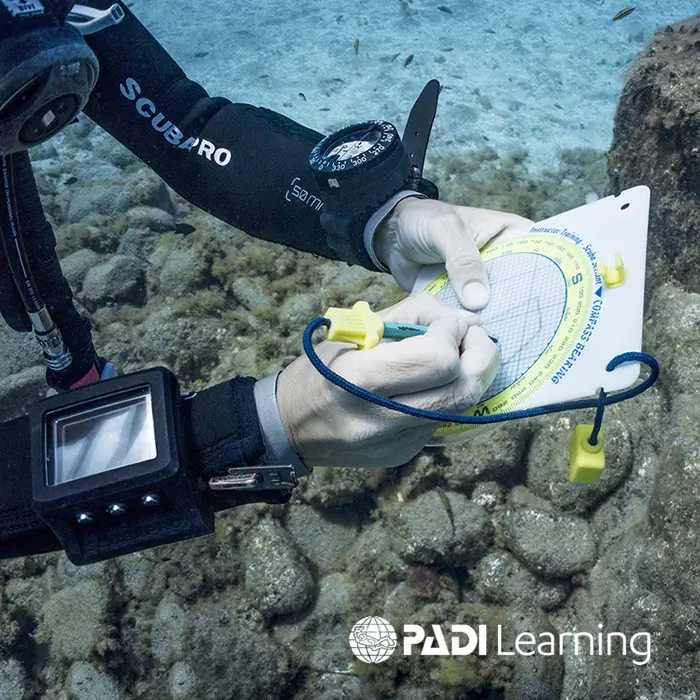
Practise search routes, object location and marking.
Day 2:
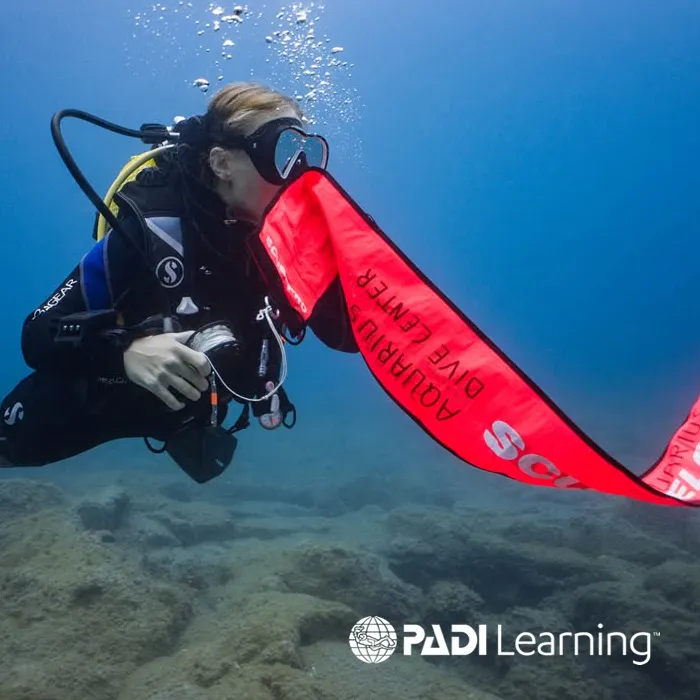
Use lift bags, knots and complete certification.
Real Reviews from Aquarius Divers

Your rating
Overall, on a scale of (0-5 stars), how highly would you recommend this PADI Search and Recovery course?
Recommended Courses After Search and Recovery
After Search and Recovery, many divers continue with courses that improve navigation, awareness and confidence in more demanding situations. These are smart next steps if you enjoy practical skills and want to become a stronger, more useful dive buddy.